




For millions of people living with anxiety, daily life can feel like navigating a minefield of triggers, worries, and overwhelming moments. While therapy and medication are essential tools, a growing number of people are discovering another powerful source of support on four legs. Service dogs for anxiety are transforming lives—offering comfort, security, and practical assistance that can dramatically improve daily functioning.
These specially trained animals do far more than provide companionship. They’re trained to perform specific tasks that help mitigate the symptoms of anxiety and related conditions, and for many handlers, they become an indispensable partner in managing mental health. This article explores how service dogs for anxiety work, the benefits they offer, and how they fit into a comprehensive approach to wellness.
What Are Service Dogs for Anxiety and How Do They Work?
Service dogs for anxiety, more formally known as psychiatric service dogs, are dogs individually trained to perform specific tasks for a person with a mental health disability. Under the Americans with Disabilities Act (ADA), these dogs are recognized as service animals, which grants them legal access to public places where pets typically aren’t allowed.
What sets them apart is task training. A psychiatric service dog might be trained to interrupt anxious behaviors, provide deep pressure therapy during a panic attack, retrieve medication, guide their handler to a safe space, or create physical space in crowded environments. These aren’t instinctive comforting behaviors alone—they’re deliberate, trained responses to their handler’s specific needs, which is what qualifies them as service animals.
The Science Behind Canine Anxiety Relief
The calming effect of dogs isn’t just anecdotal—there’s real science behind it. Interacting with dogs has been shown to influence the body’s stress systems, including reducing levels of the stress hormone cortisol and increasing oxytocin, a hormone associated with bonding and well-being. This physiological shift can help counter the body’s anxiety response.
Beyond hormones, the steady presence of a trained dog provides grounding and predictability. The tactile comfort of petting a dog, the focus required to care for them, and the unconditional companionship they offer all contribute to a calmer nervous system. For someone prone to anxiety, this combination of biological and emotional support can be genuinely stabilizing.
Distinguishing Service Dogs From Emotional Support Animals
It’s important to understand the difference between service dogs and emotional support animals (ESAs), as they are not the same under the law. A psychiatric service dog is trained to perform specific tasks related to a disability and has broad public access rights under the ADA. An emotional support animal provides comfort simply through its presence but is not trained to perform specific tasks.
Because ESAs aren’t task-trained, they don’t have the same public access rights as service dogs, though they may have certain housing protections. Emotional support animals offer real and meaningful benefits for many people, but the distinction matters legally and practically. Understanding which option fits your needs—and what each involves—is an important first step.
Physical Symptoms of Anxiety That Service Dogs Can Mitigate
Anxiety isn’t only a mental experience; it produces very real physical symptoms, and service dogs can help address many of them. Common physical signs of anxiety include a racing heart, rapid breathing, trembling, muscle tension, dizziness, and digestive distress. These symptoms can be frightening and can escalate anxiety further.
Service dogs are trained to help interrupt and ease these physical responses. Through techniques like deep pressure therapy—where the dog applies gentle, calming weight against the handler’s body—they can help slow a racing heart and ease muscle tension. Their grounding presence and trained interventions can help bring the body back from a heightened stress state toward calm.
How Service Dogs Detect and Respond to Panic Attacks
One of the most remarkable abilities of service dogs is their capacity to detect and respond to panic attacks, sometimes before the handler is fully aware one is coming. Dogs are extraordinarily attuned to their handlers, picking up on subtle changes in behavior, body language, breathing, and even scent.
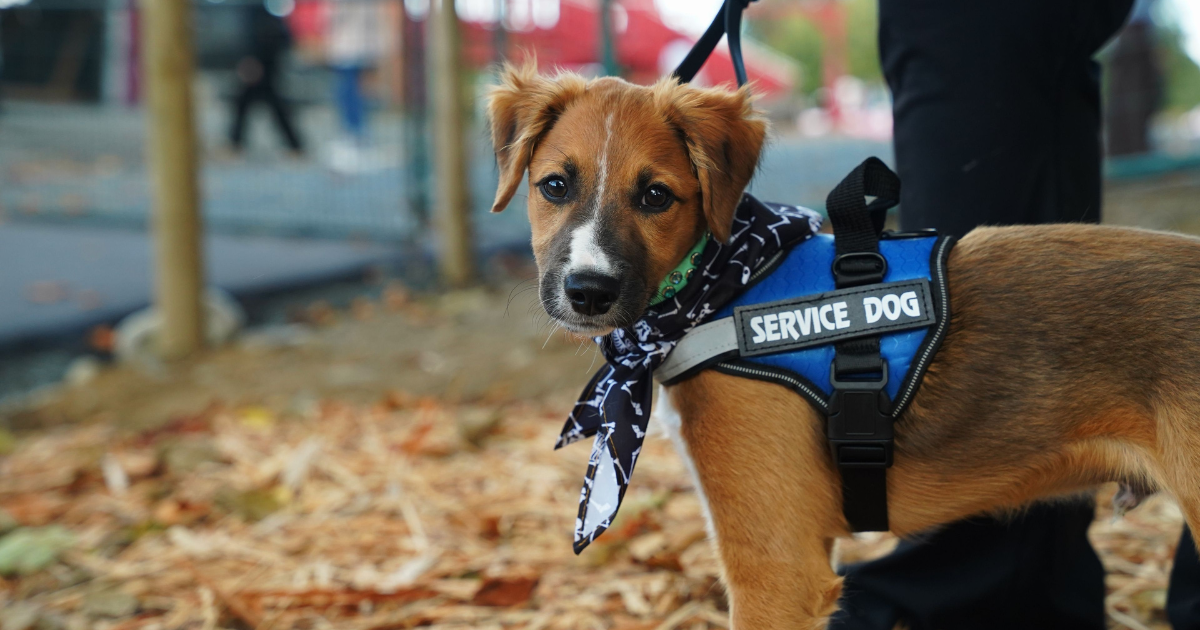
When a dog detects the early signs of a panic attack, it can spring into action with trained responses designed to interrupt or lessen the episode. This combination of early detection and immediate intervention can be life-changing for people who experience frequent or severe panic attacks, offering a sense of security that’s difficult to achieve otherwise.
Early Warning Signs Your Dog Can Sense
Service dogs can often sense the physiological changes that precede a panic attack before their handler consciously notices them. These may include shifts in breathing patterns, subtle changes in body language or movement, increased restlessness, or even chemical changes the dog can detect through their remarkable sense of smell.
By alerting their handler to these early warning signs—through nudging, pawing, or other trained signals—the dog gives the person a valuable opportunity to use coping strategies before the panic fully takes hold. This early-alert ability can mean the difference between managing rising anxiety and being overwhelmed by a full-blown attack.
Intervention Techniques That Prevent Escalation
Once a service dog detects rising anxiety or a panic attack, it can use a variety of trained intervention techniques. Deep pressure therapy is one of the most common—the dog lies across the handler’s lap or chest, providing calming, grounding pressure. The dog might also nuzzle, lick, or make physical contact to redirect the handler’s focus.
Other interventions include guiding the handler to sit down or move to a safe location, retrieving medication or a phone, or creating a buffer of physical space in a crowded setting. These trained responses help interrupt the escalation of panic and provide practical, reassuring support exactly when it’s needed most.
The Role of Service Dogs in Managing PTSD Symptoms
Service dogs play a particularly valued role for people living with post-traumatic stress disorder (PTSD). PTSD dogs are trained to address the unique challenges of trauma-related symptoms, including hypervigilance, flashbacks, nightmares, and anxiety in public spaces.
For someone with PTSD, a service dog can provide a profound sense of safety. The dog might be trained to watch the handler’s back in public, wake them from nightmares, interrupt dissociative episodes, or create space between the handler and others. This support can help people with PTSD re-engage with daily activities they may have been avoiding, gradually expanding their sense of safety and independence in the world.
Stress Reduction and Daily Life Improvements With a Trained Companion
Beyond responding to acute episodes, service dogs contribute to overall stress reduction and meaningful improvements in daily life. The consistent routine of caring for a dog provides structure, purpose, and motivation to stay active and engaged. Regular walks encourage physical activity, which itself reduces stress and benefits mental health.
The constant, reliable companionship of a service dog also combats the isolation that often accompanies anxiety and other mental health conditions. Many handlers report feeling more confident leaving home, more willing to participate in social activities, and more secure in challenging situations—all because they have a trusted partner by their side.
Creating Safer Spaces in Public and Private Environments
Service dogs help create a sense of safety in both public and private settings. In public, they can provide a buffer in crowded spaces, help their handler navigate anxiety-provoking environments, and offer immediate support if symptoms arise. This can make previously daunting outings—like grocery shopping, commuting, or attending events—far more manageable.
At home, a service dog offers comfort during difficult moments, can interrupt anxious or harmful behaviors, and provides reassuring companionship through the night. This around-the-clock presence helps many handlers feel more secure and supported in every part of their lives, reducing the constant background hum of anxiety.
Mental Health Benefits Beyond Anxiety Management
The benefits of service dogs extend well beyond managing anxiety symptoms. The deep bond between handler and dog provides emotional support that can ease depression, boost mood, and enhance overall quality of life. Caring for and connecting with a dog fosters a sense of responsibility, purpose, and unconditional acceptance.
These therapeutic benefits ripple outward into many areas of life. Handlers often experience improved self-esteem, greater social connection, better daily structure, and increased independence. While a service dog isn’t a cure for any condition, the comprehensive support it provides can be a transformative part of a person’s broader mental health and wellness journey.
Transforming Your Wellness Journey With La Jolla Mental Health’s Integrated Approach
A service dog can be a powerful source of support, but it works best as part of a comprehensive approach to mental health that includes professional care. Therapy, appropriate treatment, and personalized support address the root causes of anxiety and provide tools that complement the day-to-day help a service dog offers.
At La Jolla Mental Health, our compassionate clinicians take an integrated approach to anxiety, PTSD, and related conditions. We work with you to understand your unique needs, develop effective coping strategies, and build a personalized treatment plan that supports your whole-person wellness—whether or not a service dog is part of your journey.
If anxiety or another mental health challenge is affecting your life, support is available. Contact La Jolla Mental Health today to learn how our team can help you build a path toward lasting calm, confidence, and well-being.
FAQs
Can service dogs for anxiety alert you before panic attacks occur?
Yes, many can. Service dogs are highly attuned to their handlers and can often detect subtle physiological changes—like shifts in breathing, body language, or scent—that precede a panic attack. By alerting their handler early through trained signals, the dog provides an opportunity to use coping strategies before the episode fully escalates.
How long does it take to train a psychiatric service dog for anxiety?
Training a psychiatric service dog typically takes one to two years, depending on the dog, the tasks required, and the training approach. The process involves foundational obedience, public access training, and specialized task training tailored to the handler’s needs. This significant time investment is part of what distinguishes trained service dogs from emotional support animals.
Do service dogs help reduce cortisol levels during stress responses?
Research suggests that interacting with dogs can lower cortisol, the body’s primary stress hormone, while increasing oxytocin, which supports bonding and calm. For service dog handlers, this physiological effect—combined with trained interventions like deep pressure therapy—can help counter the body’s stress response and promote a calmer state during anxious moments.
What’s the cost difference between anxiety service dogs and emotional support animals?
A fully trained psychiatric service dog can be expensive—often ranging from several thousand to tens of thousands of dollars—due to the extensive specialized training involved. Emotional support animals require no specialized task training, so their cost is essentially that of acquiring and caring for a pet. The price difference reflects the training, not the animal itself.
Can service dogs for anxiety help with sleep disturbances and nightmares?
Yes. Service dogs, particularly those trained for PTSD, can be taught to wake handlers from nightmares, provide a comforting presence during the night, and interrupt distressing sleep episodes. Their reassuring companionship can also reduce the anxiety that interferes with sleep, helping many handlers feel safer and rest more easily.