




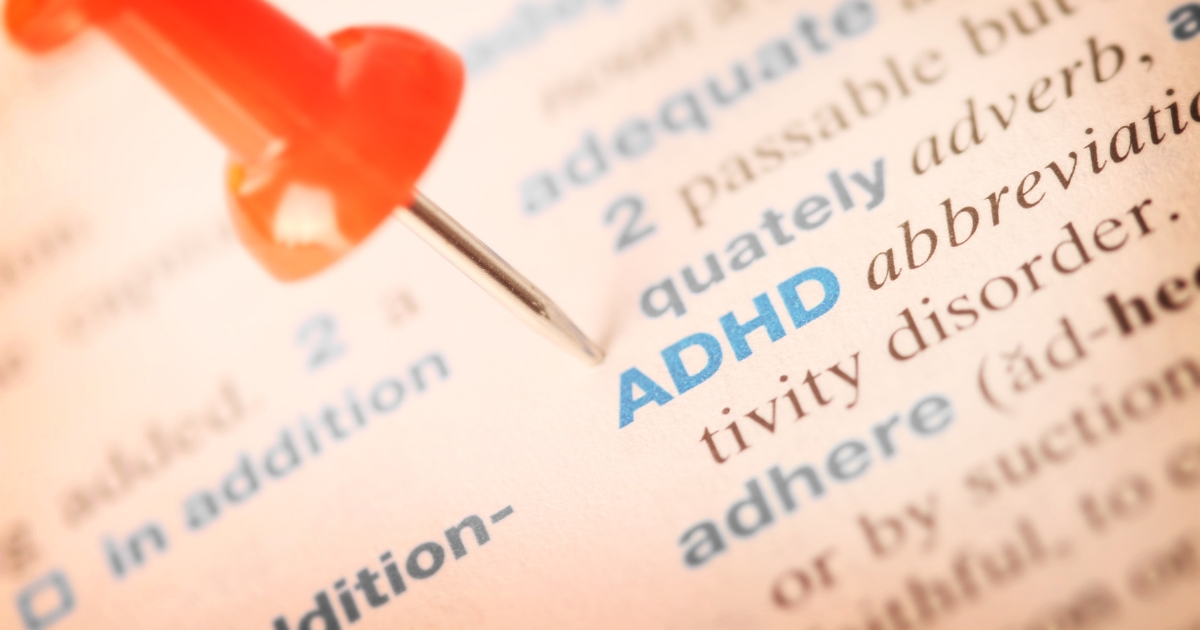
Many adults with ADHD develop sophisticated strategies to hide their symptoms from others and even from themselves. This process, known as masking ADHD, involves consciously or unconsciously suppressing visible signs of attention difficulties, impulsivity, and executive dysfunction to meet social and professional expectations. While these camouflaging behaviors may help someone appear more organized or focused in the moment, they create a hidden barrier to accurate diagnosis and effective treatment.
When someone becomes skilled at hiding adhd symptoms, clinicians cannot observe authentic ADHD presentation — they may miss the condition entirely or mistake it for anxiety or depression alone. The energy required to maintain this facade also extracts a significant mental health cost, leading to burnout, chronic stress, and a disconnection from one’s true needs. Understanding what masking looks like and why it complicates care is the first step toward more honest, effective treatment.
What Does ADHD Masking Look Like in Daily Life
ADHD camouflaging in adults takes many forms, often varying by gender, work environment, and social context. Common behaviors include over-preparing for meetings to compensate for attention lapses, setting multiple alarms and reminders to manage time blindness, or adopting hyper-organized systems like color-coded calendars and detailed checklists.
Women with ADHD tend to mask more extensively than men, partly due to socialization patterns that emphasize compliance and social harmony. Men with the condition more often present with visible hyperactivity or impulsivity, making their symptoms harder to hide, though many still develop compensatory strategies like channeling restlessness into socially acceptable activities such as exercise or hands-on hobbies.
Masking occurs most intensely in settings where perceived competence matters: workplaces, academic environments, new relationships, and social gatherings. Someone might appear calm and attentive during a work presentation while internally struggling to track the conversation.
The Mental Health Cost of Hiding ADHD Symptoms
Maintaining a masked presentation requires constant self-monitoring, which depletes cognitive and emotional resources. Individuals spend significant mental energy tracking behavior, suppressing impulses, and compensating for dysfunction. Over time, this chronic stress accumulates, leading to burnout that feels disproportionate to external demands.
Adults who camouflage ADHD symptoms frequently experience higher rates of anxiety, depression, and emotional dysregulation.
| Co-Occurring Condition | How Masking Contributes | Clinical Presentation |
|---|---|---|
| Generalized Anxiety | Constant self-monitoring and fear of exposure create chronic hypervigilance | Excessive worry, physical tension, difficulty relaxing even in safe settings |
| Depression | Exhaustion from sustained effort and disconnection from authentic self | Low energy, anhedonia, feelings of fraudulence or worthlessness |
| Social Anxiety | Fear of revealing ADHD symptoms leads to avoidance of spontaneous interaction | Isolation, over-rehearsing conversations, exhaustion after social events |
| Burnout | Cognitive and emotional resources depleted by constant compensation | Chronic fatigue, cynicism, reduced performance despite high effort |
Long-term consequences of sustained camouflaging extend beyond mental health into physical well-being and relationship stability. The following impacts frequently emerge after years of masking:
- Chronic stress-related health conditions, including headaches, gastrointestinal issues, and sleep disturbances tied to prolonged hypervigilance.
- Relationship deterioration as partners or family members feel confused by inconsistent behavior or perceive the person as withholding their true self.
- Delayed help-seeking, with many adults not pursuing evaluation until a major life transition or crisis forces the mask to slip.
When distress from masking begins to interfere with daily functioning, seeking professional support becomes essential. Therapy helps individuals identify which behaviors serve them and which exhaust them, creating space to develop more sustainable coping strategies.
How Masking ADHD Behaviors Complicates Diagnosis and Treatment
Why do people with ADHD camouflage their symptoms in the first place? Many learn early that visible signs of inattention or hyperactivity lead to criticism, punishment, or social rejection. By adulthood, these strategies are so ingrained that the person may not realize they are masking—they simply believe they are “trying harder” than others to meet basic expectations.
This learned camouflaging creates significant diagnostic challenges. Clinicians rely on observable symptoms and self-reported functional impairment to identify ADHD, but someone skilled at masking may present as anxious or mildly depressed rather than inattentive or disorganized. Women, in particular, are frequently diagnosed with anxiety or depression in their 20s or 30s, only to discover years later that unrecognized ADHD was the underlying issue.
Even after diagnosis, treatment effectiveness suffers when masking continues. Medication management becomes difficult to calibrate if the prescriber cannot observe authentic symptom presentation. Therapy progress stalls when the client maintains a “together” facade in session, preventing the clinician from understanding real-world challenges.
Signs Someone Is Masking Their ADHD
Recognizing camouflaging behaviors in oneself or others requires attention to discrepancies between public and private functioning. Someone may appear highly organized at work but live in chaos at home.
Other indicators include extreme fatigue after social or professional interactions, disproportionate anxiety about minor mistakes, and a reliance on rigid systems that feel burdensome rather than helpful. When these patterns persist and interfere with well-being, they warrant clinical attention.
Unmasking ADHD Behaviors in Treatment
Effective ADHD treatment requires creating a therapeutic environment where clients feel safe dropping compensatory strategies. This process, often called unmasking adhd behaviors, involves gradually reducing camouflaging in low-stakes settings and learning to distinguish between helpful adaptations and exhausting performances. Clinicians trained in ADHD use multiple assessment methods—self-report, collateral information, observation over time—to build an accurate picture.
Unmasking does not mean abandoning all coping strategies. Rather, it involves identifying which behaviors genuinely support functioning and which drain resources without meaningful benefit. Some organizational systems may be worth keeping; others can be simplified or discarded. The goal is authentic functioning that aligns with the person’s actual needs rather than performing a neurotypical standard that requires unsustainable effort.
| Treatment Component | How Masking Interferes | Unmasking Approach |
|---|---|---|
| Medication Management | Client downplays symptoms or reports improvement to avoid disappointing the prescriber | Normalize honest reporting; use objective measures like task completion logs |
| Therapy Sessions | Client arrives on time, appears organized, minimizes struggles to seem capable | Directly address masking patterns; invite authentic presentation without judgment |
| Skills Training | Client implements complex systems to prove competence rather than choosing sustainable strategies | Prioritize simplicity and self-compassion over performance; test strategies in real-world settings |
| Group Therapy | Client monitors behavior to avoid appearing “too ADHD” compared to peers | Model vulnerability; create norms that value authenticity over polish |
How to Stop Masking ADHD Symptoms Safely
Learning to reduce camouflaging behaviors is a gradual process that benefits from professional guidance. Abruptly dropping all compensatory strategies can lead to functional impairment or social consequences, so the approach must be intentional and phased. Start by identifying which masking behaviors are most exhausting and which contexts feel safest for experimentation.
Therapy provides a structured space to practice unmasking without real-world risk. A clinician can help distinguish between adaptive strategies worth keeping and performances that drain energy without meaningful benefit.
Medication can also play a role in reducing the need for masking by directly addressing core symptoms.

Unmasking Support: Compassionate ADHD Care at La Jolla Mental Health
At La Jolla Mental Health, we recognize that many adults with ADHD have spent years hiding their symptoms to meet external expectations. Our clinicians create therapeutic environments where clients can drop compensatory strategies without fear of judgment, allowing for more accurate assessment and more effective treatment. We use comprehensive evaluation methods that look beyond surface-level functioning. If you have been working harder than others just to appear functional, we invite you to reach out. Contact La Jolla Mental Health today to begin accessing the support you deserve.
FAQs
Below are answers to common questions about ADHD masking, diagnosis, and treatment.
1. Why do people with ADHD mask their symptoms?
Many individuals learn early that visible signs of inattention or hyperactivity lead to criticism or social rejection. Over time, they develop compensatory strategies to meet expectations and avoid negative consequences. These behaviors become automatic, often continuing into adulthood even when the original threat of punishment no longer exists.
2. What are the signs someone is masking their ADHD?
Common indicators include extreme fatigue after social interactions, a large gap between public competence and private chaos, rigid reliance on organizational systems that feel burdensome, and frequent feelings of being an imposter. People who mask often describe performing normalcy rather than living authentically.
3. Can ADHD masking lead to misdiagnosis?
Yes, camouflaging behaviors frequently result in delayed or incorrect diagnoses. Clinicians may identify anxiety or depression without recognizing the underlying attention disorder, especially in women who tend to internalize hyperactivity as restlessness. Standardized assessment tools often fail to capture the internal effort required to maintain a masked presentation.
4. How do you stop masking ADHD symptoms safely?
Reducing camouflaging behaviors should be gradual and guided by a mental health professional. Start by identifying the most exhausting masking behaviors and experimenting with authenticity in low-stakes settings. Therapy helps distinguish adaptive strategies from draining performances, while medication can reduce core symptoms and make unmasking easier.
5. Does unmasking ADHD get easier with treatment?
Most people find that unmasking becomes more manageable as treatment progresses. Medication reduces the effort required to meet basic expectations, therapy addresses the beliefs driving camouflaging, and skills training offers sustainable alternatives to exhausting compensatory strategies. Over time, authentic functioning feels less risky and more rewarding than maintaining a facade.