



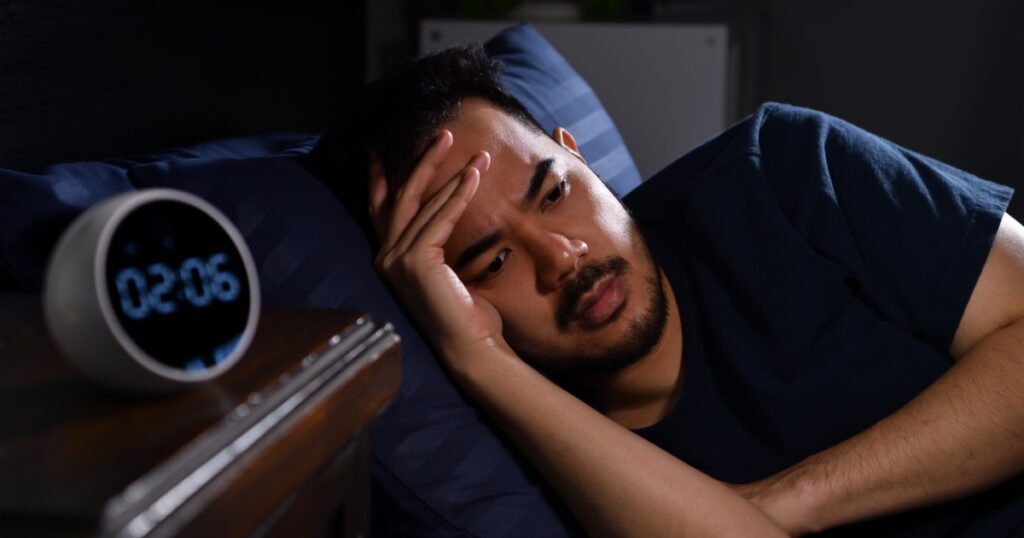
Many people who struggle with chronic sleeplessness ask themselves this exact question. The short answer to whether insomnia is a mental illness is nuanced: it is classified as a sleep-wake disorder in the Diagnostic and Statistical Manual of Mental Disorders, Fifth Edition (DSM-5), not as a mental illness per se. However, the relationship between sleep disturbances and psychiatric conditions is deeply intertwined, with each influencing and exacerbating the other in ways that demand clinical attention.
Understanding this connection is critical for anyone experiencing persistent sleep problems alongside mood changes, anxiety, or other psychological symptoms. This article explores how insomnia is categorized, the distinction between sleep disorder vs mental disorder, why this distinction shapes treatment decisions, and when integrated mental health care becomes essential for lasting recovery.

How Insomnia Is Classified in Mental Health Diagnostics
The DSM-5 categorizes insomnia disorder under sleep-wake disorders, a distinct diagnostic class separate from mood disorders, anxiety disorders, and other mental illnesses. To meet criteria for insomnia disorder, an individual must experience difficulty initiating or maintaining sleep at least three nights per week for a minimum of three months, with associated daytime impairment such as fatigue, difficulty concentrating, or mood disturbance. Occasional sleepless nights or short-term stress-related insomnia do not meet the threshold for diagnosis. This distinction helps answer the question “Is insomnia a mental illness?” from a diagnostic standpoint.
Despite this formal separation, insomnia rarely exists in isolation and frequently co-occurs with psychiatric diagnoses.
The Bidirectional Relationship Between Insomnia and Mental Health Conditions
Research consistently demonstrates a two-way street: mental illnesses can cause insomnia, and chronic insomnia significantly increases the risk of developing mental health issues. Depression, anxiety disorders, post-traumatic stress disorder, and bipolar disorder all list sleep disturbances as core diagnostic criteria.
When considering “Is insomnia a mental illness?”, the reverse pathway is equally important. Studies show that people with chronic insomnia face a substantially elevated risk of developing depression compared to those who sleep well. Sleep deprivation disrupts neurotransmitter regulation and weakens stress resilience, creating vulnerability to psychiatric illness. Once established, this creates a self-perpetuating cycle: poor sleep worsens mood and anxiety, which in turn further disrupts sleep architecture.
| Mental Health Condition | How It Affects Sleep | Typical Sleep Pattern |
|---|---|---|
| Major Depression | Disrupts REM sleep and circadian rhythm | Early morning awakening, non-restorative sleep |
| Generalized Anxiety Disorder | Hyperarousal prevents sleep onset | Difficulty falling asleep, racing thoughts |
| PTSD | Nightmares and hypervigilance fragment sleep | Frequent awakenings, avoidance of sleep |
| Bipolar Disorder | Manic episodes reduce sleep need; depressive episodes increase it | Highly variable, often severe insomnia during mania |
A few patterns characterize the connection between sleep disturbances and mental health conditions:
- Sleep disturbances often emerge weeks or months before a formal psychiatric diagnosis
- Treating the underlying mental health condition typically improves sleep quality
- Persistent insomnia after psychiatric treatment suggests the need for targeted sleep interventions
- Co-occurring substance use can independently disrupt sleep architecture and complicate treatment
Primary vs. Secondary Insomnia: Determining What’s Driving Your Sleep Problems
It helps to understand the difference between primary and secondary insomnia—a distinction clinicians have long used to describe whether sleeplessness stands on its own or arises from another condition. Primary insomnia refers to a standalone sleep disorder with no identifiable underlying cause, while secondary insomnia occurs as a symptom of another medical or psychiatric condition. It’s worth noting that the DSM-5 moved away from this split: it now uses a single diagnosis, “insomnia disorder,” and emphasizes treating insomnia in its own right, even when it coexists with another condition—precisely because labeling sleep problems “secondary” too often led to them going untreated. Still, the underlying question this distinction raises is far from academic; whether sleeplessness stands alone or stems from another condition fundamentally shapes treatment strategy and prognosis.
Primary insomnia typically responds well to behavioral interventions such as CBT-I, sleep restriction therapy, and stimulus control techniques. In contrast, secondary insomnia requires addressing the root cause. Treating insomnia with therapy alone may provide temporary relief, but lasting improvement depends on managing the underlying depression, anxiety, or other condition driving the sleep disturbance.
Determining which category applies requires careful clinical evaluation. Key questions include: Did the sleep problems begin before or after other symptoms emerged? Do mood or anxiety symptoms persist even on nights when sleep improves? Are there trauma-related nightmares or panic attacks disrupting sleep? Why accurate assessment requires professional evaluation becomes clear when considering these overlapping patterns—a thorough psychiatric assessment identifies whether insomnia is primary or secondary to broader mental health concerns.
What Causes Chronic Insomnia in Mental Health Contexts
When examining what causes chronic insomnia, mental health professionals look beyond sleep hygiene and circadian factors to explore psychological mechanisms. Rumination—repetitive negative thinking—keeps the brain’s threat-detection systems hyperactive, making restful sleep physiologically difficult.
Trauma also plays a significant role. Individuals with PTSD often experience conditioned fear responses to bedtime, associating sleep with vulnerability or nightmares.
Recognizing When Sleep Problems Signal Broader Mental Health Concerns
Symptoms of insomnia and anxiety often overlap, making it essential to assess the full clinical picture. Difficulty falling asleep accompanied by racing thoughts, physical tension, and excessive worry about the next day suggests an anxiety component. When these symptoms persist beyond a few weeks and interfere with daily functioning, the question of when to see a psychiatrist for sleep problems has a clear answer: professional evaluation becomes necessary.
The relationship between insomnia and depression becomes evident when sleep disturbances occur alongside persistent sadness, loss of interest in previously enjoyed activities, changes in appetite, and feelings of worthlessness. The question “How are insomnia and depression related?” has a clear answer: they share overlapping neurobiological pathways. Early morning awakening—waking at 3 or 4 a.m. and being unable to return to sleep—is particularly characteristic of depression. When these patterns emerge, the insomnia is likely secondary to a mood disorder requiring integrated treatment.
| Clinical Indicator | Suggests Primary Insomnia | Suggests Secondary Insomnia |
|---|---|---|
| Symptom Timeline | Sleep problems began first, with no other symptoms | Mood or anxiety symptoms preceded or coincided with sleep issues |
| Daytime Functioning | Fatigue and concentration issues only | Persistent sadness, worry, or emotional numbness present |
| Response to Sleep Hygiene | Some improvement with behavioral changes | Minimal improvement despite good sleep habits |
| Other Psychiatric Symptoms | Absent | Present (low mood, excessive worry, trauma responses) |
When to see a psychiatrist for sleep problems depends on the presence of these co-occurring symptoms. If sleeplessness exists alongside suicidal thoughts, severe anxiety, trauma-related nightmares, or substance use, a psychiatric evaluation is essential. If you or someone you know is in crisis, call or text 988 to reach the Suicide & Crisis Lifeline, available 24/7. These scenarios indicate that the sleep disturbance is part of a larger mental health condition requiring comprehensive care.
Can Insomnia Lead to Mental Health Issues? The Research on Risk
Beyond asking “Is insomnia a mental illness?” many wonder whether insomnia can lead to mental health issues—a question answered definitively by longitudinal research. Individuals with persistent sleep disturbances who do not have a current psychiatric diagnosis face a significantly elevated risk of developing depression, anxiety disorders, and substance use problems over subsequent years. Sleep deprivation alters brain chemistry in ways that mirror the neurobiological changes seen in mental illness.

Integrated Care Restores Sleep and Mental Health at La Jolla Mental Health
If you or a loved one is struggling with persistent sleeplessness and wondering, “Is insomnia a mental illness?”, integrated mental health care offers the most effective path forward. La Jolla Mental Health provides evidence-based therapies, including CBT-I, medication management when appropriate, and holistic approaches that support emotional well-being. Our expert staff ensures care tailored to your unique clinical picture. Contact us today to schedule a comprehensive evaluation and begin your journey toward restorative sleep and mental health recovery.
FAQs
These common questions address the clinical relationship between sleep disturbances and psychiatric conditions, helping you determine when professional evaluation is appropriate.
1. Can insomnia cause mental illness, or does mental illness cause insomnia?
Both pathways exist and are well-documented in research. Mental illnesses such as depression and anxiety frequently cause insomnia as a core symptom. Conversely, chronic insomnia independently increases the risk of developing depression and anxiety disorders, creating a bidirectional relationship where each condition worsens the other.
2. What’s the difference between a sleep disorder and a mental disorder?
Sleep disorders like insomnia are classified separately from mental disorders in the DSM-5, falling under sleep-wake disorders. However, the distinction is often blurred in clinical practice because sleep disturbances frequently co-occur with psychiatric conditions and share overlapping neurobiological mechanisms. Treatment often requires addressing both domains simultaneously.
3. Should I see a psychiatrist or a sleep specialist for chronic insomnia?
If your insomnia occurs alongside mood changes, anxiety, trauma symptoms, or substance use, a psychiatrist is the appropriate first step. When sleep problems exist in isolation with no other psychiatric symptoms, a sleep specialist may be sufficient. Many individuals benefit from integrated care that addresses both sleep and mental health.
4. How do antidepressants and anti-anxiety medications affect sleep?
Some antidepressants improve sleep by reducing the depression or anxiety that disrupts it, while others may cause sedation or insomnia as side effects. Anti-anxiety medications can promote sleep onset but may disrupt sleep architecture with long-term use. Psychiatric oversight ensures medications are selected and adjusted to optimize both mental health and sleep quality.
5. Can therapy alone treat insomnia without medication?
Cognitive behavioral therapy for insomnia (CBT-I) is highly effective and considered a first-line treatment, often producing lasting results without medication. For individuals with co-occurring mental health conditions, combining CBT-I with therapy for depression or anxiety yields the best outcomes. Medication may be added when symptoms are severe or when therapy alone provides insufficient relief.