



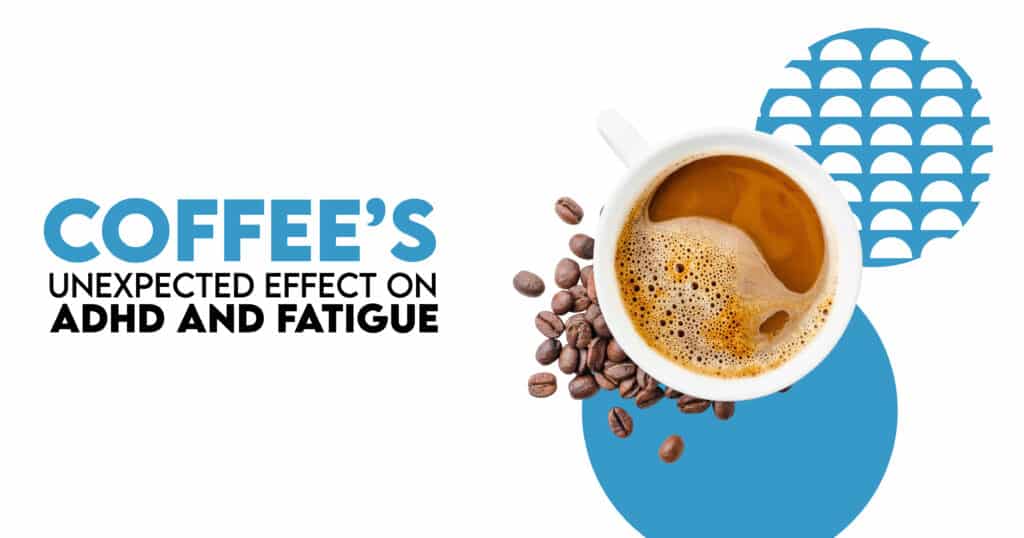
You grab a latte for focus, but an hour later, you’re yawning on the couch. Why does coffee make me tired ADHD? For neurodivergent brains, caffeine sensitivity creates a paradoxical effect – initial buzz, then energy crash. This blog unpacks adenosine receptors, dopamine levels, sleep cycle disruption, stimulant effects, and strategies to avoid the slump.
Caffeine 101: How It Normally Works
Caffeine blocks adenosine – a sleep-promoting chemical – from binding to receptors. Result:
- Alertness boost: Adenosine can’t slow you down.
- Dopamine spike: Mild euphoria, motivation.
- Norepinephrine surge: Heart rate up, focus sharp.
- Vasoconstriction: Blood vessels tighten, and oxygen flows.
- 4-6 hour half-life: Effects linger, then fade.
Most people feel energized. ADHD brains? Different story. The table shows the typical vs. ADHD caffeine response:
| Phase | Neurotypical | ADHD Brain | Key Difference |
| 0-30 min | Jolt, clarity | Hyperfocus or jittery | Dopamine receptor density |
| 1-3 hours | Sustained energy | Peak then crash | Adenosine rebound |
| 4-6 hours | Mild fade | Fatigue, irritability | COMT gene variants |
| Next day | Normal | Sleep debt, worse symptoms | Cycle disruption |
The ADHD Brain: Wired for Paradox
ADHD involves dopamine/norepinephrine deficits. Caffeine temporarily “fixes” this, but:
- Overstimulation: Too much leads to anxiety, then shutdown.
- Adenosine debt: Blocked longer = bigger rebound crash.
- COMT gene: Slow metabolizers feel effects 2x longer.
- Sleep sensitivity: Even morning coffee disrupts nighttime rest.
- Executive function: Initial help, then decision fatigue.
Caffeine Sensitivity: Why Some Crash Hard
Genetics + lifestyle = variable response. Factors:
- Liver enzymes: CYP1A2 gene – fast vs. slow metabolizers.
- Tolerance: Daily drinkers need 2-3x dose for effect.
- Dehydration: Caffeine diuretic, worsens fatigue.
- Sugar combo: Latte sugar spike → insulin crash.
- Empty stomach: Faster absorption, harsher drop.
The table outlines sensitivity levels:

| Sensitivity | Dose for Effect | Crash Severity | Management |
| Low | 50-100 mg (1 cup) | Mild | Standard intake |
| Moderate | 100-200 mg | Moderate, 2-3 hours | Limit to morning |
| High (ADHD common) | 50 mg or less | Severe, 1 hour | Micro-dose or avoid |
| Tolerant | 300+ mg | Delayed but deep | Cycle off weekends |
Sleep Cycle Disruption: The Hidden Cost
ADHD brains already struggle with sleep. Caffeine:
- Delays melatonin: Up to 1 hour per 100 mg.
- Fragments REM: Less restorative rest.
- Morning inertia: Adenosine surge upon waking.
- Vicious cycle: Poor sleep → more caffeine → worse sleep.
Even 200 mg at 8 a.m. reduces deep sleep 20%. The Sleep Foundation caffeine guide details timing.
Dopamine Levels: The ADHD-Caffeine Dance
ADHD = dopamine deficit. Caffeine:
- Boosts release: Temporary symptom relief.
- Blocks reuptake: Prolongs effect.
- Downregulation risk: Receptors desensitize with overuse.
- Crash trigger: Sudden drop post-metabolism.
- Medication interaction: Amplifies stimulants, risks overstimulation.
Low-dose (50 mg) often better than high for sustained focus.
The Paradoxical Effect in Neurodivergent Brains
Why coffee calms some ADHDers:
- Stimulates underactive PFC: Improves executive function.
- Self-medication: 1 in 3 ADHD adults use caffeine daily.
- Dose-dependent: 100 mg focuses, 300 mg agitates.
- Comorbid anxiety: Calming at low dose, panic at high.
- Individual variation: Trial and error needed.
Track with mood journal – find your “Goldilocks” dose.
Avoiding the Energy Crash
Smart strategies:
- Cap at 200 mg/day: No refills after noon.
- Pair with protein: Slows absorption, steady energy.
- Hydrate 1:1: Water cup per coffee.
- Cycle intake: 5 days on, 2 off prevents tolerance.
- Time caffeine: Finish by 2 p.m. for 10 p.m. bedtime.
Micro-dosing (50 mg) + L-theanine (green tea) smooths ride.
Alternatives to Caffeine for ADHD
Non-stimulant options:
- L-theanine + low caffeine: Calm focus.
- Rhodiola rosea: Adaptogen for mental stamina.
- Exercise: 20 min cardio = 100 mg caffeine.
- Hydration + protein breakfast: Stable blood sugar.
- Pomodoro technique: 25 min work, 5 min break.

When to Seek Professional Help
Red flags:
- Needing 400+ mg to function.
- Anxiety/panic after coffee.
- Sleep <5 hours nightly.
- Caffeine masking deeper issues.
- Withdrawal headaches daily.
ADHD evaluation + sleep study may reveal root causes.
La Jolla Mental Health: Your Brew for Balanced Energy
When coffee confuses more than it clarifies, expert guidance percolates solutions. At La Jolla Mental Health, we decode why coffee makes me tired with ADHD with personalized assessments, dopamine level optimization, and stimulant effects management for the neurodivergent brain. From caffeine sensitivity testing to energy crash prevention, we’re here. Contact La Jolla Mental Health today to learn more or schedule your clarity session. Your perfect blend awaits.
FAQs
What is caffeine sensitivity, and how does it affect adenosine receptors in the brain?
Caffeine sensitivity varies by genetics – slow metabolizers feel effects longer, leading to adenosine buildup and bigger crashes. It blocks adenosine receptors temporarily, preventing sleep signals. When caffeine wears off, receptors flood, causing fatigue.
How does caffeine contribute to sleep cycle disruption in individuals with ADHD?
Caffeine delays melatonin release up to 1 hour per 100 mg and fragments REM sleep, worsening ADHD’s natural sleep challenges. Even morning doses affect nighttime rest in sensitive brains. Poor sleep then drives more caffeine use, creating a cycle.
Can fluctuations in dopamine levels influence caffeine sensitivity and its effects on ADHD symptoms?
Low baseline dopamine in ADHD makes caffeine’s boost more noticeable but tolerance develops faster, requiring higher doses. Sudden drops post-caffeine trigger irritability and focus loss. Consistent low-dose strategies prevent swings.
What is the paradoxical effect of caffeine in neurodivergent brains and how does it relate to ADHD?
The paradoxical effect occurs when caffeine calms ADHD brains at low doses by stimulating the underactive prefrontal cortex, improving focus without jitters. Higher doses overstimulate, causing anxiety and a crash. Individual testing finds the “sweet spot” dose.
How can managing caffeine intake prevent the stimulant effects from leading to an energy crash in those with ADHD?
Managing intake means capping at 200 mg/day, finishing by noon, and pairing with protein to slow absorption and avoid sugar spikes. Cycle 5 days on, 2 off to prevent tolerance. Track with a journal to identify personal crash triggers.