




Art has long served as a powerful medium for expressing experiences that words cannot adequately capture. Schizophrenia drawings offer unique insights into the inner world of individuals living with this complex mental health condition. These works of visual art provide both clinicians and the public with glimpses into perceptions, emotions, and cognitive processes that might otherwise remain hidden.
Understanding the role of creativity in schizophrenia helps reduce stigma while highlighting how art therapy and artistic expression can support treatment and recovery.
The Role of Visual Art in Mental Health
Visual art serves multiple functions in mental health contexts. For individuals with schizophrenia, creating artwork provides communication, processing, and connection that complements traditional therapeutic approaches.
Benefits of visual art for mental health include:
- Nonverbal expression of complex internal experiences
- Processing of difficult emotions and perceptions
- Building a sense of accomplishment and self-worth
- Creating tangible representations of abstract experiences
- Facilitating communication between patients and providers
Art creation engages different brain regions than verbal communication, accessing thoughts and feelings that talk therapy alone may not reach. For those experiencing hallucinations, visual art offers an alternative pathway for expression.

Art Therapy as a Tool for Emotional Release
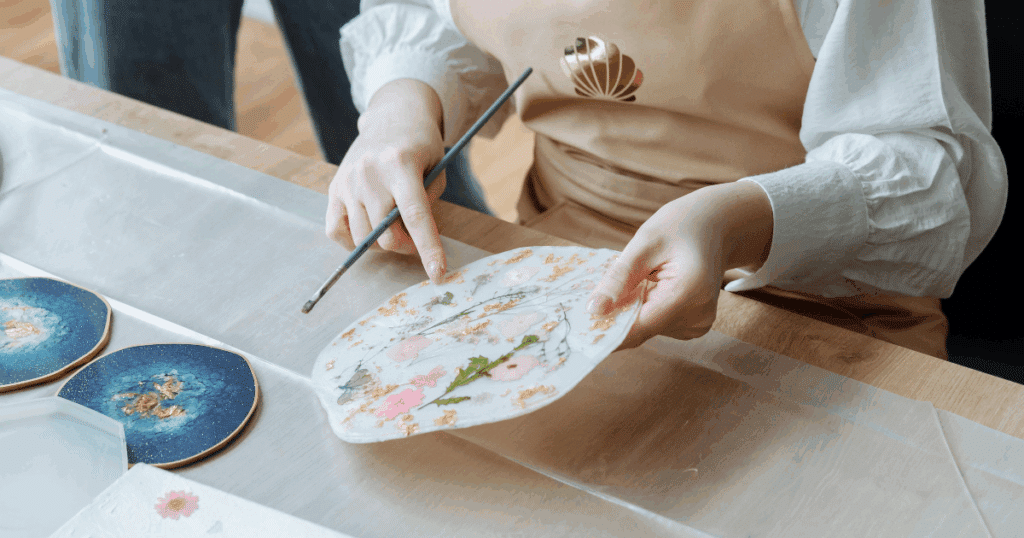
Art therapy uses creative processes to improve mental health and well-being. For individuals with schizophrenia, art therapy provides safe opportunities for emotional release and self-exploration.
Benefits of Art Therapy for Schizophrenia:
| Benefit | How It Helps | Therapeutic Outcome |
| Emotional release | Externalizes internal experiences | Reduced emotional burden |
| Self-expression | Communicates without words | Improved provider understanding |
| Grounding | Focuses attention on the present task | Reduced symptom intensity |
| Identity building | Creates a sense of accomplishment | Improved self-esteem |
| Social connection | Group settings provide community | Reduced isolation |
During art therapy sessions, individuals can express feelings difficult to verbalize. The creative process provides a distraction from distressing symptoms, while finished artwork creates opportunities for therapeutic discussion.
Art therapy doesn’t require artistic skill. The therapeutic value lies in the creation process rather than aesthetic quality, making it accessible to anyone willing to engage.
Creativity and Expression in Schizophrenia Drawings
Schizophrenia drawings often display remarkable creativity and unique artistic perspectives. While the condition presents challenges, some individuals channel their experiences into compelling artistic expression.
Common characteristics include:
- Intense, symbolic imagery
- Unusual color combinations and patterns
- Detailed, intricate designs
- Representations of internal experiences
- Fragmented or disorganized compositions
The relationship between schizophrenia and creativity has fascinated researchers for decades. The unique perceptual experiences associated with schizophrenia can influence artistic output in distinctive ways.
Hallucinations and Their Influence on Art
Hallucinations significantly influence the artistic expression of many individuals with schizophrenia. Artwork may represent attempts to capture, process, or communicate these perceptual experiences.
How Hallucinations Manifest in Artwork:
| Hallucination Type | Artistic Representation | Purpose of Expression |
| Visual | Depicted figures, patterns, distortions | Externalizing internal visions |
| Auditory | Visual representations of voices | Making invisible experiences visible |
| Tactile | Unusual textures, body representations | Communicating physical sensations |
| Paranoid themes | Symbolic imagery of threat | Processing fearful experiences |
Creating visual representations of hallucinations serves multiple purposes. It helps individuals process these experiences, communicate them to others, and create distance between themselves and distressing content.
Cognitive Processes Reflected in Schizophrenia Art
Schizophrenia affects cognitive processes, including attention, memory, organization, and abstract thinking. These changes often manifest visibly in artwork.
Cognitive elements visible in schizophrenia drawings include:
- Unusual spatial relationships between objects
- Highly detailed focal areas with less attention to backgrounds
- Symbolic thinking through metaphorical imagery
- Fragmented compositions reflecting disorganized thought
- Repetitive patterns related to perseverative thinking
Analyzing these cognitive aspects helps clinicians understand how schizophrenia affects individual patients, providing a window into thought processes that might not emerge through conversation alone.
Impact on Mental Health Awareness
Schizophrenia drawings play an important role in public mental health awareness. These artworks help bridge understanding between those experiencing schizophrenia and those seeking to understand the condition.
Contributions to awareness include:
- Humanizing individuals through creative work
- Providing visual representations of invisible experiences
- Challenging stereotypes and reducing stigma
- Creating empathy through emotional connection with art
- Educating the public about symptom experiences
Museum exhibitions and online galleries featuring schizophrenia art have helped shift public perception. When people engage with artwork created by individuals with schizophrenia, they encounter human creativity rather than clinical diagnoses.
Encouraging Artistic Expression in Treatment
Mental health treatment increasingly recognizes incorporating artistic expression alongside traditional interventions.
Strategies for encouraging artistic expression include:
- Making art supplies available in treatment settings
- Offering structured art therapy with trained therapists
- Creating judgment-free environments for creative exploration
- Displaying patient artwork to validate contributions
- Connecting patients with community art programs
Not every individual will connect with artistic expression. However, providing opportunities for those who find meaning in creativity supports comprehensive, person-centered treatment.
Drawing New Perspectives on Mental Health
Schizophrenia drawings offer valuable windows into experiences that might otherwise remain invisible. Through visual art, individuals can achieve emotional release, process hallucinations, express creativity, and communicate their inner worlds. These artworks contribute significantly to mental health awareness and public understanding.
At La Jolla Mental Health, we recognize the therapeutic value of creative expression in comprehensive schizophrenia treatment. Our programs integrate art therapy and expressive approaches alongside evidence-based interventions. Contact La Jolla Mental Health today to learn how our compassionate team can support your path to wellness.
FAQs
1. How do schizophrenia drawings contribute to mental health awareness and understanding?
Schizophrenia drawings contribute to awareness by providing visual representations of experiences that are otherwise invisible, helping bridge understanding between patients and the public. These artworks humanize individuals with schizophrenia by showcasing creativity and emotional depth rather than clinical symptoms alone. Exhibitions and publications featuring such art help challenge stereotypes and reduce stigma.
2. What role does art therapy play in the emotional release for individuals with schizophrenia?
Art therapy provides structured opportunities for emotional release by allowing individuals to externalize internal experiences through creative processes rather than relying solely on verbal expression. The act of creating artwork can reduce emotional burden while providing grounding from distressing symptoms. Finished pieces create opportunities for reflection and therapeutic discussion.
3. How can hallucinations influence the creativity and expression seen in schizophrenia drawings?
Hallucinations influence schizophrenia drawings by providing unique perceptual experiences that individuals may attempt to capture, process, or communicate through visual art. Creating representations of hallucinations helps transform overwhelming internal experiences into external, manageable forms. The distinctive imagery often reflects the specific nature of an individual’s hallucinatory experiences.
4. In what ways do cognitive processes manifest in the visual art created by those with schizophrenia?
Cognitive processes manifest through unusual spatial relationships, fragmented compositions reflecting disorganized thought, repetitive patterns suggesting perseverative thinking, and unexpected symbolic connections. Detailed focal areas with less attention to context may reflect attentional differences. These visible cognitive elements help clinicians understand how schizophrenia affects individual patients.
5. How can encouraging artistic expression benefit mental health treatment for individuals with schizophrenia?
Encouraging artistic expression benefits treatment by providing alternative pathways for communication, emotional processing, and self-exploration that complement traditional therapeutic approaches. Creating art builds accomplishment and self-worth while reducing isolation through shared creative experiences. Integrating creativity supports comprehensive, person-centered care addressing multiple dimensions of recovery.