



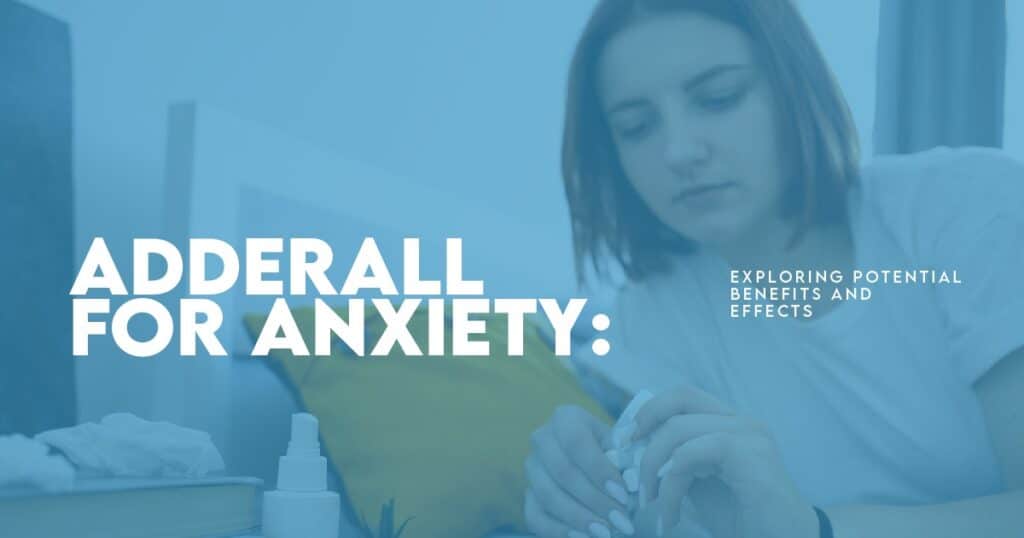
The question “Can Adderall help with anxiety?” has become increasingly common as more people seek solutions for managing anxiety symptoms. Adderall, a prescription stimulant medication primarily used to treat attention-deficit/hyperactivity disorder (ADHD), has sparked curiosity among those struggling with anxiety disorders. While this amphetamine-based medication isn’t typically prescribed for anxiety treatment, understanding its effects, potential benefits, and significant risks is crucial for anyone considering their mental health treatment options.
Understanding Anxiety and How Adderall Works
Anxiety disorders affect millions of Americans, manifesting through persistent worry, restlessness, difficulty concentrating, and physical symptoms like rapid heartbeat or shortness of breath. These conditions can significantly impact daily functioning, relationships, and overall quality of life.
Adderall works by increasing levels of dopamine and norepinephrine in the brain that play essential roles in attention, focus, and energy regulation. The medication contains amphetamine salts that stimulate the central nervous system, which is why it’s classified as a Schedule II controlled substance due to its high potential for dependence.
Can Adderall Reduce Anxiety? The Complex Relationship
The relationship between Adderall and anxiety is complicated and often counterintuitive. Does Adderall help anxiety in most cases? The straightforward answer is no—Adderall typically isn’t recommended for anxiety treatment and can actually worsen anxiety symptoms in many individuals.
However, there’s an important exception: people who have both ADHD and anxiety may experience indirect anxiety relief when their ADHD symptoms are properly managed with Adderall. When untreated ADHD causes chronic stress, disorganization, and feelings of being overwhelmed, these factors can contribute to secondary anxiety. In these specific cases, treating the underlying ADHD may reduce anxiety symptoms.
Using Adderall for anxiety as a primary treatment can produce several concerning effects:
| Effect Category | Positive Scenarios | Negative Scenarios |
| Physical Symptoms | Improved focus may reduce stress-related anxiety in ADHD patients | Increased heart rate, jitteriness, restlessness that mimics or worsens anxiety |
| Cognitive Function | Better concentration may decrease worry about performance | Racing thoughts, overstimulation, heightened alertness that intensifies anxious thinking |
| Emotional Response | Reduced frustration from ADHD-related challenges | Irritability, mood swings, emotional dysregulation |
| Sleep Patterns | Structured schedule from medication routine | Insomnia or disrupted sleep that exacerbates anxiety |
Adderall and Anxiety Management: When It Might Help
Adderall anxiety relief is not its intended purpose, but certain scenarios might show indirect benefits for anxiety management:
ADHD-Related Anxiety: When anxiety stems from untreated ADHD symptoms like chronic disorganization, missed deadlines, or constant feelings of underachievement, properly managed ADHD treatment may improve these secondary anxiety symptoms.

Performance Anxiety: Some individuals with ADHD experience performance anxiety related to their attention difficulties. Improved focus and task completion through ADHD treatment might reduce this specific type of anxiety.
Executive Function Improvements: Better organization, time management, and follow-through on tasks can reduce the stress and worry that contribute to anxiety in ADHD patients.
It’s critical to understand that these potential benefits apply specifically to individuals with diagnosed ADHD, not to those with primary anxiety disorders seeking symptom relief.
Adderall Anxiety Treatment: Risks and Considerations
Using Adderall for anxiety treatment carries significant risks that far outweigh potential benefits for most people. The medication’s stimulant properties can trigger or intensify anxiety symptoms rather than provide relief.
| Consideration | Risk Factors | When Benefits May Appear |
| Primary Diagnosis | Pure anxiety disorders: high risk of worsening symptoms | Diagnosed ADHD with secondary anxiety: potential indirect benefit |
| Physiological Response | Increased heart rate, blood pressure, potential panic attacks | Improved focus reducing ADHD-related stress |
| Long-term Use | Tolerance, dependence, withdrawal anxiety | Stable ADHD management under medical supervision |
| Side Effect Profile | Anxiety, insomnia, appetite suppression, cardiovascular stress | Individual response varies; close monitoring required |
Alternatives to Adderall for Anxiety Relief
For those seeking anxiety management solutions, several evidence-based treatments offer safer and more effective options than using Adderall for anxiety:
Medication Options:
- Selective serotonin reuptake inhibitors (SSRIs)
- Serotonin-norepinephrine reuptake inhibitors (SNRIs)
- Benzodiazepines for short-term use under careful supervision
- Buspirone for generalized anxiety disorder
- Beta-blockers for physical anxiety symptoms
Non-Medication Approaches:
- Cognitive behavioral therapy (CBT)
- Exposure therapy for specific phobias
- Mindfulness and meditation practices
- Regular exercise and physical activity
- Sleep hygiene improvements
- Stress management techniques
These alternatives target anxiety directly rather than addressing it as a secondary concern, making them more appropriate for most individuals struggling with anxiety disorders.
Finding Your Path to Mental Wellness
The question of whether Adderall can help with anxiety doesn’t have a simple yes or no answer, but for most people with primary anxiety disorders, Adderall is not an appropriate treatment option. The medication’s stimulant properties typically worsen anxiety symptoms rather than providing the relief people seek. Only in cases where ADHD and anxiety coexist might there be indirect anxiety benefits from proper ADHD treatment—and even then, this requires careful medical supervision.
If you’re struggling with anxiety, exploring appropriate treatment options with qualified mental health professionals is essential. La Jolla Mental Health specializes in comprehensive anxiety treatment, offering evidence-based therapies and medication management tailored to your unique needs. Don’t let anxiety control your life or lead you toward potentially harmful self-medication strategies. Contact La Jolla Mental Health today to discuss safe, effective treatment options that can truly help you find relief and improve your quality of life.

FAQs
1. What are the effects of using Adderall for anxiety relief?
Using Adderall for anxiety relief typically produces more negative than positive effects for most individuals. As a stimulant medication, Adderall often increases anxiety symptoms by elevating heart rate, causing restlessness and potentially triggering panic attacks. The only scenario where anxiety reliefrestlessness, is when someone has both ADHD and secondary anxiety, and their ADHD treatment indirectly reduces stress-related anxiety symptoms.
2. Does Adderall help with anxiety management?
Adderall is not designed for anxiety management and is rarely appropriate for this purpose. While individuals with ADHD may experience reduced anxiety when their attention and organizational challenges are treated, this represents management of ADHD-related stress rather than direct anxiety treatment. For people with primary anxiety disorders, Adderall’s stimulant effects typically worsen symptoms and create additional management challenges.
3. What are the potential benefits of Adderall in anxiety treatment?
The potential Adderall anxiety benefit is extremely limited and applies mainly to specific cases of ADHD patients whose anxiety stems from untreated attention deficits. Benefits might include reduced stress from improved organization, decreased performance anxiety related to ADHD symptoms, and better emotional regulation through proper ADHD management. These benefits require proper diagnosis, medical supervision, and recognition that anxiety improvement is an indirect effect rather than the medication’s primary purpose.
4. Can Adderall reduce anxiety symptoms effectively?
Adderall cannot effectively reduce anxiety symptoms for most people and often does the opposite. The medication’s mechanism of action as a central nervous system stimulant typically intensifies anxiety rather than calming it. Research and clinical experience show that traditional anxiety treatments like SSRIs, therapy, and lifestyle modifications provide much more effective and safer anxiety symptom reduction than stimulant medications.
5. What are the risks and side effects associated with Adderall anxiety treatment?
The risks of using Adderall for anxiety treatment are substantial and include worsening anxiety symptoms, increased heart rate and blood pressure, sleep disturbances, potential for dependence and abuse, irritability, and mood changes. Additional risks include cardiovascular complications, rebound anxiety when the medication wears off, and the possibility of developing tolerance requiring higher doses. These risks make Adderall an inappropriate choice for anxiety treatment in most circumstances, highlighting the importance of working with mental health professionals to identify safer, evidence-based alternatives.